Half of my clients buy without ever setting foot on the island. It can be done well and it can be done badly, and the difference is not distance: it is how you replace what you cannot see. This is the real process, limits included.
The short answer: yes, and it happens more than you think
Buyers from the United States, Canada, Spain and Latin America close in Cap Cana without travelling first. The process is designed for it: there are video walkthroughs, documented dossiers, local lawyers and legal instruments such as the notarised power of attorney.
That said, buying remotely is not magic. It is an orderly process with clear steps, and it works best when someone explains it in your language and with your case in front of them.
What can be done remotely and what cannot
Remotely you can: understand the project and its real status, choose unit type and position within the building, receive the dossier with plans and specifications, do live video walkthroughs, negotiate and reserve, and sign by proxy with legal support.
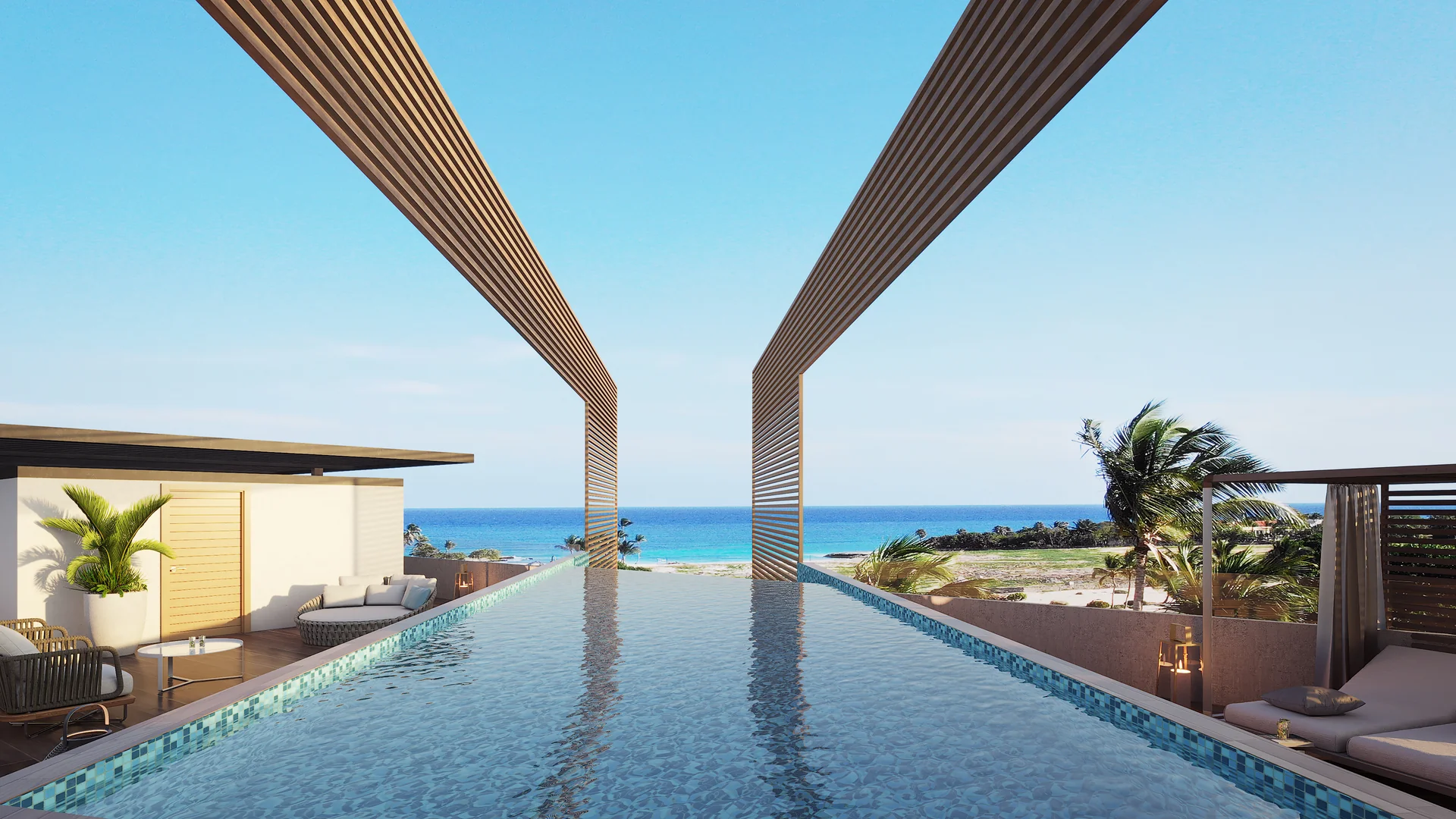
What a screen does not replace: feeling the wind on a balcony, seeing how the sun falls on that facade, measuring the noise of a nearby road or the real walking distance to the beach.
That is solved in one honest way: a live walkthrough recorded on the spot, with the person who will live there asking what they need to know. Not with a marketing video.
The power of attorney, explained without lawyer talk
It is a document by which you authorise someone you trust — usually your lawyer in the Dominican Republic — to sign certain steps of the process on your behalf.
It is signed before a notary in your country, apostilled, and then used here. It does not mean giving up control: it means the process moves forward without you having to fly twice.
Every case has its nuances, so this is defined with your lawyer. What matters is knowing it exists and that it is not an obstacle.
How the process looks, step by step
First, a profile call: what you are looking for, why, on what horizon, and what truly matters to you. That produces a short list.
Then the dossier: plans, specifications, available units and payment options.
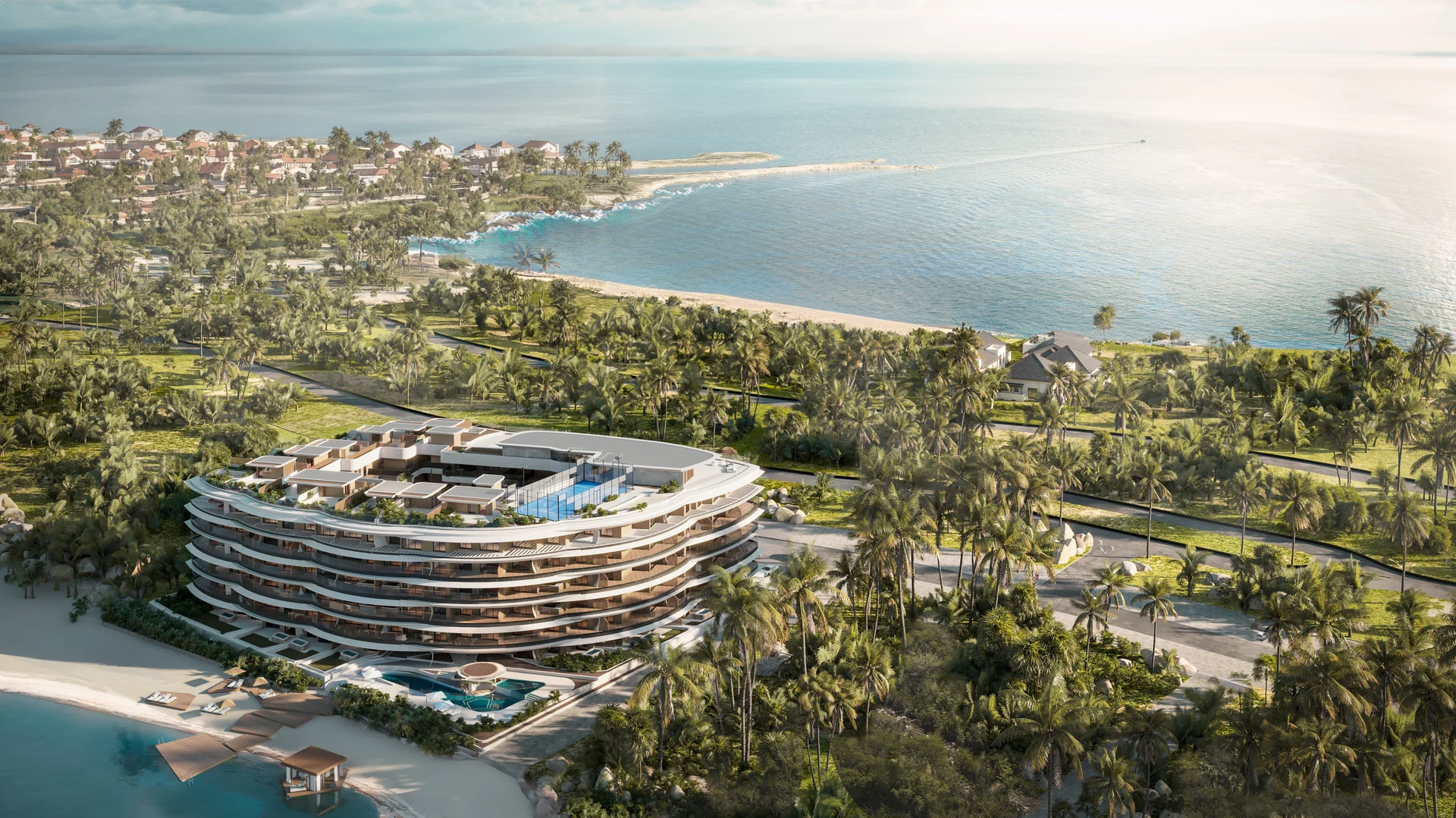
Then the walkthrough: a live video tour of the project and the area, with questions answered on the spot and a look at the surroundings that never appear in renders.
Finally the reservation, the contract, the legal review, the payment plan and delivery with title in your name.
What to have ready on your side
Passport and identification details, the documents the client onboarding process requires, clarity on the source of funds and the intended payment method.
And one underlying decision: define from the start who the owner or owners will be. Changing that later is more complicated than deciding it up front.
Where remote buying usually goes wrong
When someone buys without seeing the context. The project can be perfect while the location of that specific unit is not: orientation, floor, what will be built next door, how far you actually walk to the beach.
It also goes wrong when nobody asks the uncomfortable questions: contractual delivery date, assignment conditions, maintenance fees, what is written down and what stayed in conversation.
And it goes wrong when information arrives translated twice and in different formats. A single point of contact with direct access to the developer removes that noise.
How I work with you
I work as the developer's direct advisor, not as an intermediary: documents, availability and answers come from the same source, in your language and with your case in front of me.
If you are buying remotely, I do the walkthrough for you and send it the same day, with the good parts and the parts that are not shown. And I tell you when something does not suit you, even if that means you do not buy that unit.
That part — telling you no — is the reason many of my clients end up buying without having come first.
And if you do end up travelling
Even better. With the groundwork done, the visit becomes a confirmation rather than a first-time reconnaissance: two days are enough to see the finalist units, walk the area and close calmly.
All my remote buyers have the door open to come before delivery. And those who come usually arrive with the decision already made.
Frequently asked questions
Is buying without travelling riskier?
The risk does not come from distance, it comes from missing information and from having nobody verifying on site. With a live video walkthrough, documents reviewed by a local lawyer and a single accountable point of contact, the process is as solid as an in-person purchase.
What documents do I need to start?
Passport and identification details, the client onboarding forms, and clarity on the payment method. The legal and notarial part is defined with your lawyer and can be prepared from your country.
Can I put the property in a family member's name or a company?
Yes, it is possible, but it should be decided before signing. Ownership is defined at the start of the process and changing it later involves additional paperwork. We review it with your legal counsel from the first conversation.
Can I visit before delivery?
Of course, and it is what I recommend. Many clients buy remotely and travel months later to see construction progress. The visit is welcome at any stage of the process.
Shall I walk Cap Cana for you and send it to you on video?
Direct access to master plans, confidential dossiers and verified availability.